In short, people at average risk should start routine preventive testing at age 45, while those with specific risk factors should start earlier.
- Begin Testing at 45. Adults with average risk profiles must start their routine preventative screenings at age 45.
- Know Your Risk Factors. A family history of disease or inflammatory bowel conditions will require earlier medical evaluations.
- Screening Saves Lives. Detecting and removing abnormal growths early can prevent cancer and improve your overall survival chances.
Colorectal cancer is one of the most preventable types of cancer when it is caught early. By understanding the guidelines for early screening, you can take control of your health and prevent severe complications. You do not have to wait until you feel sick to prioritize your digestive health.
This guide will explain everything you need to know about early detection and personal risk factors. We will cover the rise of early-onset disease, the warning signs you should not ignore, and exactly what to expect when getting a colon cancer screening near you.
What Is Colon Cancer?
Colon cancer is a type of disease that begins in the large intestine, which is the final part of your digestive tract. It typically affects older adults, but it can happen to anyone at any age. Medical professionals often group it together with rectal cancer, referring to the condition as colorectal cancer.
This condition is highly preventable when patients receive timely medical care and routine examinations.
How Colon Cancer Develops
Most cases of colon cancer begin as small, noncancerous clumps of cells called polyps – tiny growths on the inner lining of your colon. These polyps form on the inner lining of the colon over a long period of time. Over several years, some of these polyps can mutate and develop into dangerous cancer cells.
Because these polyps usually do not cause any symptoms, you can have them without realizing it. This silent development is exactly why preventative tests are so incredibly important for your overall health. By looking inside the colon, a gastroenterologist can find these growths before they ever turn into cancer.
Once a doctor removes a polyp, it can no longer threaten your health or spread to other organs. This simple intervention is the primary reason why routine testing is a life-saving medical procedure.
The Importance of Early Detection
When cancer is found at an early stage, it is highly treatable and much easier to cure. If the cancer remains hidden and grows, it can spread through the colon wall to lymph nodes or other vital organs. Treating advanced cancer requires aggressive therapies like surgery, radiation, and chemotherapy, which can take a heavy toll on your body.
Routine checkups ensure that doctors catch the disease while it is still localized. Survival rates skyrocket when patients undergo regular medical evaluations and follow their doctor’s advice. You hold the power to protect yourself simply by scheduling your recommended exams on time.
Why Should You Start Colon Cancer Screening Early?
Booking a preventative screening early in life is a powerful way to take charge of your future health. Medical guidelines have recently changed to protect younger adults from this growing threat.
The Rise of Early-Onset Colorectal Cancer
Over the past decade, doctors have noticed an alarming trend involving younger patients developing this disease. While cancer rates in older adults have declined, diagnoses in people under the age of 50 are steadily rising. This dangerous shift has prompted health organizations to lower the recommended age for preventative testing.
According to the Centers for Disease Control and Prevention, there were approximately 155,662 new colorectal cancer cases reported in the United States in 2023. A significant and growing percentage of these new cases occurred in younger, seemingly healthy individuals who had no prior warning signs. Researchers believe that diet, lifestyle choices, and environmental factors may be contributing to this sudden rise in the younger population.
Who Should Consider a Colon Cancer Screening Before Age 45?
While the standard age to start testing is 45, certain individuals have a much higher risk profile and cannot wait. You may need to look for a colon cancer screening near you even earlier if you meet specific medical criteria.
Family History of Colon Cancer
Your genetics play a massive role in your overall risk for developing serious digestive diseases. If you have a first-degree relative who had colon cancer, your own risk increases significantly. A first-degree relative includes a parent, sibling, or child who received a positive diagnosis.
Doctors generally recommend that you begin testing 10 years before the age your family member was diagnosed. For example, if your father was diagnosed at age 50, you should have your first exam at age 40. You must share your complete family medical history with your doctor to establish a safe timeline.
Personal History of Bowel Disease
Chronic inflammation in your digestive tract also increases your chances of developing cancerous cells over time. Patients who suffer from inflammatory bowel disease need careful monitoring and frequent medical evaluations. This category includes severe conditions like ulcerative colitis and Crohn disease.
The constant damage and repair cycle in your intestinal lining makes cell mutations much more likely to occur. Because of this, your gastroenterologist will likely recommend routine testing starting at a much younger age. Managing your underlying condition properly will also help you lower your overall cancer risk.
Genetic Syndromes and Risk Factors
Certain inherited genetic syndromes carry an incredibly high risk of colon cancer. Conditions like familial adenomatous polyposis and Lynch syndrome cause hundreds of polyps to form in the colon at a young age. If you have one of these rare genetic markers, you will need frequent testing starting in your twenties or even earlier.
Other risk factors include lifestyle choices, dietary habits, and underlying health conditions like type 2 diabetes. People who consume heavy amounts of red meat, smoke tobacco, and live sedentary lifestyles face higher risks. Improving your daily habits, exercising regularly, and maintaining a healthy weight can improve your long-term prognosis.
What Are the Warning Signs That Require a Colon Cancer Screening Near Me?
You should never ignore symptoms that disrupt your normal digestive functions or cause you daily discomfort. Experiencing any of these warning signs means you should schedule a colon cancer screening near you as quickly as possible.
Unexplained Changes in Bowel Habits
Healthy bowel habits vary from person to person, but sudden or lasting changes are a major red flag. If you experience chronic diarrhea, severe constipation, or a feeling that your bowel does not empty completely, you should see a doctor. These symptoms could indicate that a large polyp or tumor is blocking your digestive tract.
You should also pay attention to changes in the shape and consistency of your stool. Narrow or pencil-thin stools often suggest that something is restricting the pathway inside your colon. Do not brush these symptoms off as a temporary stomach bug or a simple dietary issue.
Blood in Your Stool
Seeing blood in the toilet bowl or on toilet paper is frightening and requires immediate medical attention. While bright red blood is often caused by minor issues like hemorrhoids, it can also be a sign of cancer. Dark red or black stool indicates that bleeding is happening deeper inside your digestive system.
Your doctor will need to perform a thorough evaluation to identify the exact source of the bleeding. A visual exam is the only way to completely rule out cancer or dangerous polyps.
Unexplained Weight Loss and Fatigue
Losing weight without trying is a serious medical symptom that you must never ignore. Cancer cells consume a massive amount of your body’s energy, which can cause rapid and unexplained weight loss. Furthermore, tumors in the colon can cause chronic bleeding that slowly depletes your red blood cells.
This slow blood loss eventually leads to anemia, which makes you feel exhausted, weak, and chronically fatigued. If you feel incredibly tired even after getting plenty of rest, you should visit a clinic for routine blood tests. Finding the root cause of your fatigue is an essential step toward restoring your health.
How Do Doctors Perform a Colon Cancer Screening Near Me?
Preparing for a colon cancer screening near you involves following specific instructions provided by your healthcare team. There are several different methods available to check your colon, and your doctor will help you choose the best one.
The Standard Colonoscopy Procedure
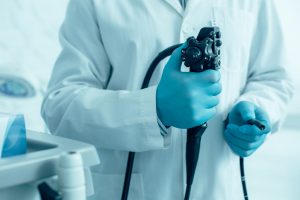
A colonoscopy is the gold standard for detecting and preventing this disease because it allows doctors to treat issues immediately. During this procedure, a doctor inserts a long, flexible tube with a camera into the rectum to view the entire colon. The patient receives mild sedation, sleeps comfortably through the process, and wakes up with no memory of the exam.
Before this procedure, you must completely clean out your digestive tract so the doctor has a clear view. Your doctor will prescribe a strong laxative solution, such as polyethylene glycol (MiraLAX), to flush your system.
If your doctor spots a suspicious polyp during the exam, they will remove it using a tiny wire loop. They will then send this tissue sample to a laboratory for further testing and analysis.
Stool-Based Screening Tests
If you have an average risk profile and no symptoms, your doctor might suggest a noninvasive stool test. These tests look for hidden blood or mutated DNA markers shed by cancer cells in your stool. You collect a small sample at home, place it in a sterile container, and mail it to a medical laboratory.
While these tests are highly convenient, they are not as accurate as a direct visual examination. If a stool test returns a positive result, you will still need a follow-up colonoscopy to locate and remove the problem. You must repeat these stool tests every one to three years to maintain proper surveillance.
Virtual CT Scan Alternatives
A virtual colonoscopy uses advanced imaging equipment to take detailed cross-sectional pictures of your abdominal organs. During a CT scan, a computer generates a three-dimensional model of your colon so the radiologist can look for abnormalities. This method is less invasive, but it still requires the same intensive bowel preparation as a standard exam.
If the radiologist spots a polyp on the images, you will still have to undergo a traditional procedure to have it removed. For this reason, most specialists prefer the traditional route so they can diagnose and treat the issue simultaneously.
What Should You Expect Afterward?
After your procedure, you will rest in a comfortable recovery room while the sedative medication wears off. Your healthcare team will monitor your vital signs, provide you with fluids, and ensure you are completely safe.
Recovering From the Procedure
Because you receive medication to help you relax, you cannot drive yourself home afterward. You will need a trusted friend or family member to pick you up and stay with you for a few hours. Most patients feel completely normal by the evening and can return to work the very next day.
You might experience mild bloating or gas as your body processes the air used to inflate your colon during the exam. Slowly walking around your house will help relieve this pressure and make you feel much better. You can usually resume your normal diet immediately, starting with a light, easily digestible meal.
Understanding Your Medical Results
Before you leave the clinic, your doctor will share their initial findings with you and your designated driver. If they found a completely healthy colon, they will tell you when you need to return for your next routine checkup. For an average-risk adult with clear results, this usually means waiting 10 years before testing again.
If your doctor removed a polyp, it will take several days for the laboratory to process the biopsy results. Your doctor’s office will call you to discuss the final pathology report and explain what the findings mean for your health. Depending on the size and type of the polyp, you may need to schedule your next screening much sooner.
How Do I Schedule a Colon Cancer Screening in Austin, TX?
When you need to schedule a colon cancer screening near you in Austin, TX, you deserve a medical team that treats you with compassion and respect. Austin Gastroenterology is the largest independent group of gastroenterologists in Central Texas, providing unmatched expertise and patient-centered care. Our board-certified physicians use the latest medical technology in gastroenterology to ensure your procedure is comfortable, safe, and accurate.
If you are 45 or older, or if you are experiencing worrying digestive symptoms, it is time to take action. Contact our friendly staff to book your consultation and protect your digestive health today. We will guide you through every step of the process and answer all of your questions with warmth and professionalism.