When you schedule an upper endoscopy near you, proper preparation is the most critical step to ensure a safe, accurate, and smooth diagnostic test. An upper endoscopy requires strict adherence to fasting protocols and careful medication adjustments so your physician can clearly examine your upper digestive tract.
In short,
- Fasting ensures procedure safety: Following strict fasting protocols prevents accidental aspiration and allows your doctor a clear view of your digestive tract.
- Adjust medications with care: Coordinating blood thinners and diabetes medications with your physician prevents complications during the procedure.
- Arrange reliable adult transportation: Receiving intravenous sedation requires you to have a responsible adult drive you home afterward.
Following these preparation guidelines helps your healthcare team perform a thorough examination without unnecessary delays or cancellations. Understanding what to expect during each phase of preparation empowers you to approach your procedure day with confidence and peace of mind.
What Is an Upper Endoscopy and Why Is Preparation Critical?
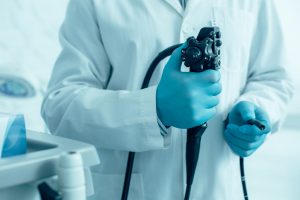
An upper endoscopy, also known as an esophagogastroduodenoscopy or EGD, is a routine medical procedure that allows a gastroenterologist to inspect the mucosal lining of your esophagus, stomach, and duodenum. Your physician passes a thin, flexible tube equipped with a light and camera through your mouth and down into your upper gastrointestinal tract.
Proper preparation ensures that your stomach is entirely empty of food, liquids, and digested particles during the examination. When food remnants remain in the stomach, they obstruct the camera lens and hide underlying tissues from the doctor.
Achieving a completely clear stomach lining requires strict commitment to your pre-procedure guidelines.
How Preparation Prevents Complications During an Upper Endoscopy Near Me
Searching for an upper endoscopy near you is the first step toward getting accurate answers for your digestive symptoms. When your stomach is completely empty, a physician can easily identify tissue abnormalities such as ulcers, inflammation, infection, or early signs of Barrett esophagus.
An empty stomach also protects your lungs from dangerous complications while you are under sedation. If food or liquid remains in your stomach, it can travel up into your throat and enter your lungs, an abrupt pause in airway safety known as pulmonary aspiration.
What Are the Strict Fasting Rules Before an Upper Endoscopy?
Fasting rules are designed to give your digestive system enough time to empty completely before your appointment. You must refrain from eating any solid foods for at least eight hours prior to your scheduled procedure time.
Most ambulatory surgery centers and hospital endoscopy suites instruct patients to stop eating all solid food at midnight before a morning examination. Adhering strictly to this timeline prevents procedure cancellations and ensures optimal diagnostic results.
While solid foods are strictly off-limits, clear liquids are permitted under specific timeframes leading up to your appointment.
What Liquids Are Safe to Drink During the Clear-Liquid Phase?
You may consume clear liquids up until four hours before your scheduled arrival time unless your physician provides different instructions. Safe choices include plain water, clear fruit juices without pulp, apple juice, white grape juice, clear broths, black coffee, and plain tea.
You must avoid all liquids that contain red, purple, or blue dyes, as these colors can stain your stomach lining and mimic the appearance of blood. Additionally, you must avoid milk, cream, alcohol, orange juice, and any beverages containing pulp or solid pieces.
Why Must You Avoid Food and Drink Right Before the Procedure?
During the final two to four hours before your exam, you must take nothing by mouth, including water, ice chips, gum, mints, and hard candies. Chewing gum or sucking on candy stimulates stomach acid production, which increases gastric volume and aspiration risks.
If you drink fluids or eat food within this mandatory fasting window, your physician will be forced to reschedule the upper endoscopy for safety reasons. Stopping all oral intake guarantees that your stomach remains completely resting and empty.
How Should You Handle Medication Adjustments Before the Procedure?
Managing your routine medications is a vital part of preparing for an upper endoscopy. While many prescription drugs can be continued as usual, specific medications require exact adjustments or temporary pauses to avoid complications.
Always provide your gastroenterologist with a full list of your current prescription drugs, over-the-counter remedies, vitamins, and herbal supplements before scheduling an upper endoscopy near you. Never stop taking any prescribed medication without explicit instructions from your prescribing doctor or gastroenterologist.
Certain classes of medications require special attention due to their effects on blood clotting, stomach emptying, and blood sugar control.
Managing Blood Thinners and Antiplatelet Drugs
Anticoagulant and antiplatelet medications reduce blood clotting, which increases the risk of bleeding if your physician performs a tissue biopsy or removes a polyp. Common blood thinners include warfarin (Coumadin), clopidogrel (Plavix), apixaban (Eliquis), rivaroxaban (Xarelto), and dabigatran (Pradaxa).
Your doctor will give you precise instructions on when to hold these medications, often one to seven days before the procedure. Do not stop taking blood thinners on your own, as your healthcare team must carefully weigh bleeding risks against cardiovascular safety.
Adjusting Diabetes Medications and GLP-1 Receptor Agonists
If you have diabetes, whether type 1 or type 2, fasting before a procedure changes your daily blood sugar needs. You should monitor your blood glucose levels closely on the day before and the morning of your examination.
Oral diabetes medications like metformin (Glucophage) and glipizide (Glucotrol) are typically held on the morning of the test to prevent hypoglycemia. Similarly, insulin doses usually require reduction or temporary adjustment based on your doctor’s specific guidance.
Injectable GLP-1 receptor agonist medications such as semaglutide (Ozempic, Wegovy), delay stomach emptying significantly. Current clinical anesthesia guidelines recommend holding weekly GLP-1 agonists for one week before elective procedures to prevent solid food retention in the stomach.
Taking Daily Blood Pressure and Heart Medications
Most blood pressure and cardiac medications should be taken on the morning of your procedure with a tiny sip of water. Keeping your blood pressure controlled is essential for a safe sedation experience.
However, you should clarify which specific medications to take during your pre-procedure consultation. Bring all your medication bottles or an updated list with you to the surgical center on the day of your examination.
Step-by-Step Countdown: Your Final 24 Hours Before the Examination
Navigating the day before your procedure becomes simple when you follow a clear, chronological timeline. Being organized helps reduce anxiety and ensures that every preparation step is completed correctly.
- Seven days before: Review all medication guidelines, stop taking iron supplements if instructed, and coordinate with your physician regarding blood thinners or GLP-1 medications
- One day before: Confirm your ride home with a responsible adult, eat light meals, and avoid heavy or greasy foods throughout the day
- Eight hours before: Stop all solid food intake completely and transition strictly to clear liquids if permitted by your facility
- Four hours before: Stop drinking all clear liquids, including water, and do not chew gum, suck on mints, or smoke
What Happens on the Day of Your Procedure?
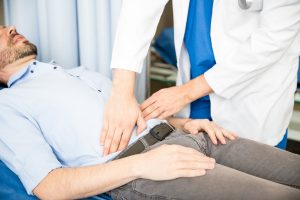
When you arrive for an upper endoscopy near you, you will check in and complete standard registration forms. A nurse will escort you to the pre-procedure area to check your vital signs and place an intravenous line in your arm.
You will meet with your endoscopist and an anesthesia provider to review your medical history and discuss sedation. Sedation ensures you remain comfortable, relaxed, and completely pain-free throughout the ten- to fifteen-minute test.
Afterward, you will rest in the recovery area while the sedation effects wear off over thirty to forty-five minutes. Your physician will share preliminary findings with you before you are discharged home in the care of your designated driver.
Frequently Asked Questions (FAQ)
Patients frequently have specific questions about what is allowed during the final hours of endoscopic preparation. Here are answers to common questions about preparing for an upper endoscopy near you.
Can I Drink Water on the Morning of My Upper Endoscopy?
You may take small sips of water with approved morning medications up to two to four hours before your scheduled arrival time. However, you should avoid drinking large glasses of water or any liquids within the final fasting window set by your care team.
What Should I Do if I Accidentally Eat or Drink Before My Procedure?
If you accidentally consume solid food or unapproved liquids during your fasting period, notify your endoscopy facility immediately. Depending on what and when you ate, your doctor may adjust your appointment time later in the day or reschedule your upper endoscopy to maintain safety.
Why Do I Need Someone Else to Drive Me Home Afterward?
The sedative medications used during an upper endoscopy impair your reflexes, judgment, and reaction times for several hours after you wake up. Driving, operating machinery, or signing legal documents is unsafe for twenty-four hours following intravenous sedation.
Schedule Your Upper Endoscopy in Austin, Texas
If you are experiencing persistent acid reflux, difficulty swallowing, stomach pain, or unexplained nausea, securing expert digestive care is vital. The team of board-certified gastroenterologists at Austin Gastroenterology delivers expert, compassionate care tailored to your unique health needs.
Do not wait to get answers regarding your digestive symptoms and overall gastrointestinal health. Contact Austin Gastroenterology today by calling our clinic near you or use our online form to request an upper endoscopy near you in Austin, Texas.